Column · @rowanvojs654
Why A Lot More Families Are Picking Assisted Living for Loved Ones
Business Name: BeeHive Homes of Pagosa Springs
Address: 662 Park Ave, Pagosa Springs, CO 81147
Phone: (970-444-5515)
BeeHive Homes of Pagosa Springs
Beehive Homes of Pagosa Springs assisted living care is ideal for those who value their independence but require help with some of the activities of daily living. Residents enjoy 24-hour support, private bedrooms with baths, medication monitoring, home-cooked meals, housekeeping and laundry services, social activities and outings, and daily physical and mental exercise opportunities. Beehive Homes memory care services accommodates the growing number of seniors affected by memory loss and dementia. Beehive Homes offers respite (short-term) care for your loved one should the need arise. Whether help is needed after a surgery or illness, for vacation coverage, or just a break from the routine, respite care provides you peace of mind for any length of stay.
662 Park Ave, Pagosa Springs, CO 81147
Business Hours
Families seldom arrive at the decision to check out assisted living in a clean, neat minute. Regularly, it begins with a couple of small concerns that maintain stacking up. A parent neglects a meal, misses medicine, or struggles to get up from a low chair. A spouse begins silently doing even more of the home jobs, after that more of the individual care, then more of the psychological heavy lifting that features attempting to maintain every little thing secure. For some time, many families absorb it as part of typical aging. After that one day, the balance changes. Safety matters more than pride. Uniformity matters more than maintaining looks. Satisfaction starts to surpass the old assumption that staying home, regardless of what, is always the most effective option.
That shift describes why assisted living has become such a useful choice for so many families. It is not around surrendering. It has to do with matching the level of support to the actual requirements of an individual whose life has actually ended up being harder to take care of alone. For lots of older adults, assisted living uses the ideal middle ground. It maintains freedom while including assist with meals, bathing, medicine reminders, housekeeping, transportation, and social connection. For households, it can relieve a kind of stress that has actually silently spread through life for months or years.
The factor where home begins to feel as well big
A lot of people envision the relocate to assisted living as a significant break. In truth, it normally outgrows a long collection of functional aggravations. Your home might still have lots of memories, but it can likewise end up being a location of trip dangers, forgotten bills, and unopened mail. Even familiar regimens become harder when vision, equilibrium, memory, or stamina begin to slip.
I have seen households wait till an autumn, a hospital stay, or a medication mistake requires the concern. That hold-up is understandable, yet it commonly makes the transition harder than it requires to be. An individual who has actually been isolated for months might be deeply immune to change. A family members that has actually been improvisating take care of a long period of time may already be worn down, which clouds judgment and makes every discussion more emotional than it needs to be.
Assisted living senior care ends up being attractive when people understand that the problem is not one separated task. It is the buildup of small losses. Breakfast obtains skipped. Laundry piles up. A physician's visit is missed due to the fact that no person can take time off work. One relative starts fielding every call. Another silently stops sleeping well. At that stage, senior living is less about way of living preference and even more regarding recovering a practical structure to day-to-day life.
What assisted living actually provides
The term sounds wide since it is broad. Assisted living communities are developed for older adults that want to maintain as much freedom as possible, while getting aid in locations that have actually ended up being difficult. That frequently includes help with clothing, showering, grooming, meals, pointers, movement assistance, and housekeeping. Lots of neighborhoods also use medicine management, transportation, health checks, and arranged activities.
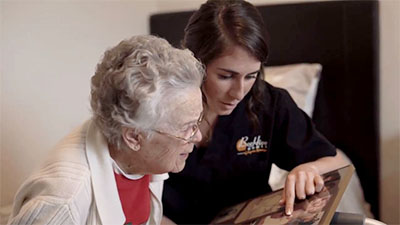
The information issue. A good community does not attempt to take control of a resident's life. It constructs a support system around it. Somebody can still choose when to wake up, what to consume, whether to sign up with an activity, and how to invest the afternoon. The difference is that help is readily available when needed, without turning every task right into a family emergency.
That distinction is why many individuals searching for senior care near me wind up thinking about assisted living before they consider a nursing facility. The move is not concerning complete medical dependence. It has to do with finding day-to-day support in a setting that really feels workable, social, and secure. For many older adults, that is the pleasant spot.
Relief for household caretakers is a significant factor
One of the most underestimated reasons households pick assisted living is caretaker tiredness. Adult children commonly begin by assisting a little, after that a little more, up until they are properly taking care of one more person's life alongside their very own. They may be stabilizing work, their very own children, consultations, household obligations, and constant worry about a parent who is no longer secure alone.
That stress takes a toll. It can stress marriages, reduce job efficiency, and produce bitterness that nobody intends to admit aloud. It likewise transforms relationships. A child who made use of to ask for a chat comes to be the individual managing prescriptions and cleaning out the refrigerator. A partner ends up being both companion and nurse, which can be deeply unpleasant for every person involved.
Assisted living does not remove those emotions, but it can put the family members back into a much healthier duty. Instead of being the only line of protection, relatives can go back to being family once more. Visits end up being a lot more concerning conversation and link, less about tasks and crisis monitoring. That change is typically what individuals imply when they say they finally seemed like they might breathe.
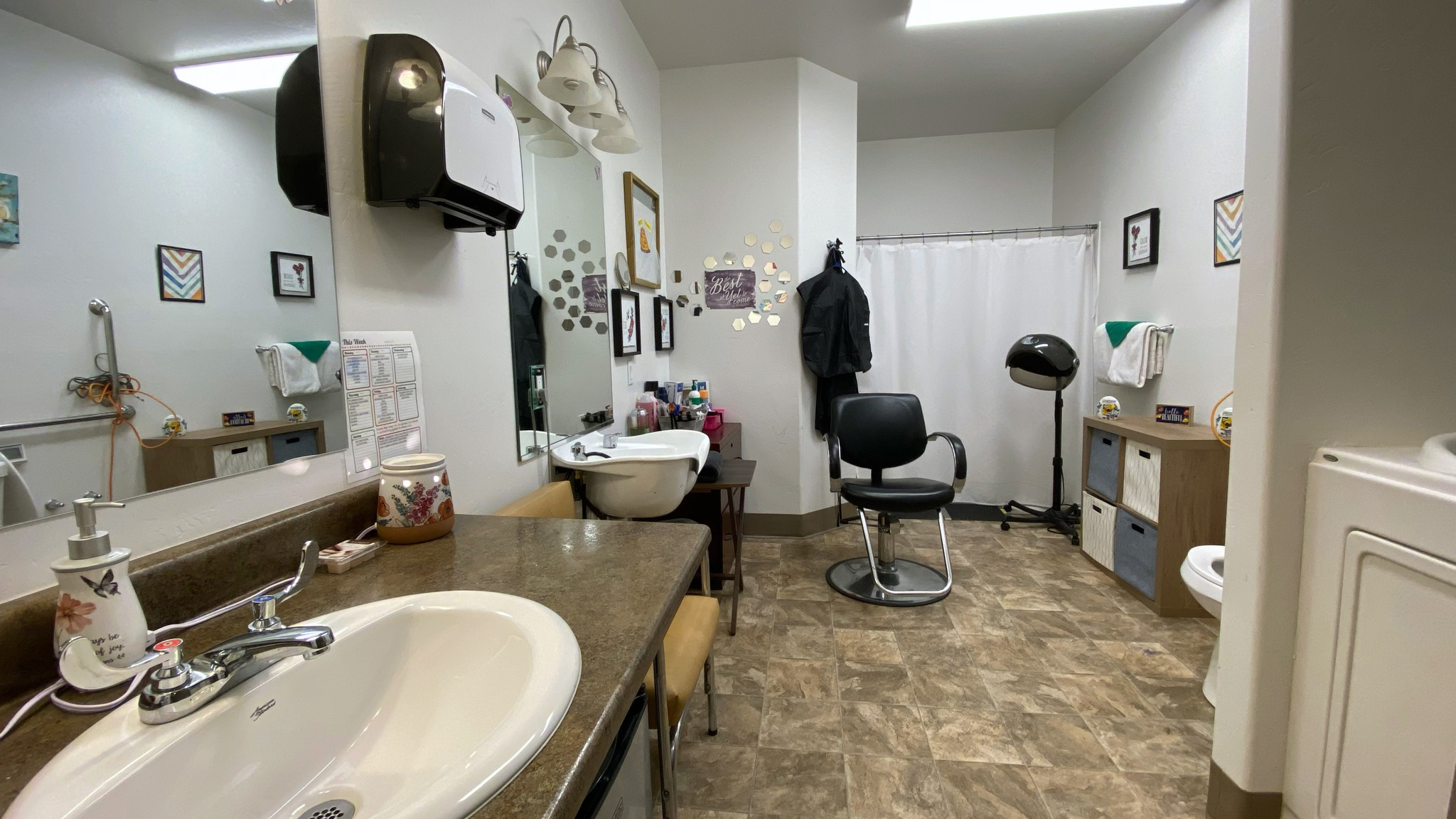
Respite care can also play an important function right here. For family members that are not prepared for a permanent step, short-term stays can give alleviation after a surgery, throughout a caretaker getaway, or while everyone figures out the following step. In method, respite care usually becomes a bridge. It gives family members a way to check what living in an encouraging area feels like prior to making a complete commitment.
Safety concerns are typically the turning point
Most families do not choose assisted living due to the fact that they desire an even more refined dining-room or a schedule of activities, though those points can matter. They pick it since they are worried. A loved one may be leaving the cooktop on, forgetting to secure the door, straying outside at the incorrect time, or taking drugs inaccurately. Also one major autumn can change the entire conversation.
Safety in your home can usually be boosted, but just to a factor. Grab bars, better lighting, and home alterations help. So does in-home care. Still, several homes continue to be challenging to navigate, specifically if they were developed years previously for a younger body and a sharper memory. Stairways, slim bathrooms, chaotic areas, and long strolls to the cooking area or mail box all include risk.
In assisted living, those risks are reduced through layout and regimen. Hallways are easier to navigate. Washrooms are adapted. Team member exist throughout the day. Dishes are served on a reliable schedule. There is somebody close by if a resident feels unhealthy or ends up being baffled. That may sound basic, but straightforward is commonly what brings households the most relief.
Social connection matters greater than people expect
Loneliness can be as destructive as any physical restriction. It does not constantly announce itself loudly. Sometimes it shows up as skipped dishes, a tv that remains on throughout the day, or an unwillingness to leave the house because getting clothed feels like way too much effort for inadequate incentive. Families commonly see that a parent is not just aging, yet diminishing inward.
This is one factor senior living neighborhoods have actually become much more attractive. Assisted living can bring back the rhythms of everyday get in touch with that many older adults lose in your home. There are neighbors down the hall, shared meals, intended occasions, and personnel who learn names, habits, and preferences. For somebody that has actually gone days without an actual conversation, that sort of setting can be transformative.
I have actually heard member of the family claim they were surprised by how swiftly their loved one improved when the social piece was addressed. Not every resident comes to be outward bound, and not every activity is a best fit. But the simple act of being around people again can enhance mood, appetite, and inspiration. Sometimes a person does not require a dramatic treatment. They need reasons to rise, get dressed, and step outside their room.
The decision is seldom concerning one problem alone
People commonly look for assisted living near me when they are in the middle of a difficult mix of troubles. Perhaps a parent has very early dementia and also diabetes mellitus. Maybe a partner can still stroll separately yet can not take care of medications safely. Maybe the person is recovering from a hospitalization and the household understands that a go back to the old routine is no more realistic.
This is why the choice is so personal. Assisted living is not a one-size-fits-all answer, and it is not constantly the best solution permanently. Some citizens need it for a year after a major health event and then carry on. Others resolve in and remain for years. What matters is whether the setting matches the present degree of need, not whether it matches some pictured ideal.
Families in some cases delay due to the fact that they want assurance, and assurance is seldom readily available. What they generally have is evidence. Missed dosages. Uneaten dishes. Contusions from falls. Confusion concerning dates. A growing pile of unopened declarations. A child that is fielding telephone calls from neighbors, pharmacologists, and doctors since nobody else can keep an eye on everything. At some time, the pattern ends up being clear also if no solitary case feels decisive.
What households gain beyond functional support
There is a quieter advantage to assisted living that people do not always state at first. It can give households back some psychological honesty. When everyday is a scramble to take care of medicine, dishes, cleaning, transportation, and safety, there is little area for the more human components of care. Concern obtains swallowed by logistics.
Once the worry relieves, family members often rediscover what they miss out on many. They can bring a preferred dessert rather than a pill organizer. They can rest and listen without viewing the clock. They can ask concerns regarding youth, pastimes, dishes, or old stories that had actually been crowded out by the needs of caregiving. That issues. Relationships are entitled to greater than triage.
For the older adult, assisted living can likewise recover self-respect. Needing help does not really feel great to any individual, and lots of senior citizens stand up to the idea due to the fact that they are afraid being treated like a patient instead of a person. A well-run area recognizes that. The best settings honor routine, privacy, preferences, and individuality. Locals are not simply receiving care. They are living a life that still has appearance and choice.
How households generally narrow the options
Once the choice to discover assisted living gets on the table, family members typically feel overwhelmed by the variety of communities, services, and rates frameworks. That is regular. Not all centers feel the same, and not every residential or commercial property fits everyone. Place matters. So does staffing uniformity, sanitation, dining high quality, and how well the area deals with changes in wellness over time.
The best visits are the ones where households ask sensible concerns and pay attention to the atmosphere. Does the staff seem rushed or really engaged? Are residents out of their areas and getting involved, or do they seem isolated? Does the place feel calm, or does it really feel chaotic? Is the community clear regarding prices, or does every answer appear wrapped in jargon?
A brief visit can expose more than a refined pamphlet. Family members should also try to find indications that the community recognizes real life, not just advertising. That includes exactly how they manage medicine support, family members interaction, move-in shifts, and modifications in care requirements. A resident that is thriving in month one may need more assistance by month 9. The best community prepare for that reality instead of acting it will certainly not happen.
Questions worth asking before a move
Families who are severe about selecting a community normally gain from reducing enough to ask clear, concrete inquiries. The solutions reveal whether a location is genuinely the appropriate fit or merely a nice-looking building.
- What day-to-day assistance is included, and what expenses extra?
- How does the area take care of medication administration and after-hours needs?
- What happens if a resident's care needs boost over time?
- How are meals, transportation, and social activities structured?
- What is the procedure for family members interaction throughout health and wellness changes?
That sort of conversation can avoid undesirable surprises later on. It likewise aids family members contrast options on material as opposed to on first impressions alone.
The function of timing
Timing is commonly the hardest component. Move too early, and households stress they acted before it was essential. Wait too long, and the action might comply with a preventable decrease, a hospital stay, or situation. The sweet place is typically when a loved one can still take part in the choice and adjust with some dignity.
That timing becomes much easier to judge when households stop asking only, "Can my loved one real-time in your home?" and begin asking, "Can my loved one live in the house safely, constantly, and without exhausting every person around them?" Those are very different inquiries. The very first invites positive outlook. The 2nd invites realism.
Assisted living is frequently selected not since home is impossible today, however because the household wishes to prevent a harder end result tomorrow. That may suggest less emergency situations, fewer missed drugs, fewer lonely days, and less strained disagreements about who can assist and when. It might also indicate even more security for the older grownup, who no longer needs to navigate each day alone with increasing difficulty.
When the choice becomes an act of care, not surrender
There is still a sticking around preconception around senior care in some households, as if choosing assisted living implies failing on someone's part. That sight misreads. The right choice is not the one that protects appearances. It is the one that safeguards the person.
Families that pertain to this selection with care and humbleness usually claim the exact same thing after the transition works out. They want they had actually done it faster. Not due to the fact that the action was very easy, however due to the fact that the constant stress had actually ended up being so normalized that they forgot what life might feel like with assistance in place.
Assisted living is not the response for everyone, and it needs to never be treated as a default. Some older grownups succeed at home with targeted services. Some require memory care or even more intensive medical support. Others flourish in assisted living because it gives them framework, safety, and company without removing their agency. The appropriate fit relies on the individual, the family members, and the facts of daily life.
For families contrasting alternatives and searching for senior care near me or assisted living near me, the deeper question is frequently the easiest one: where will he or she be most safe, most comfy, and a lot of able to live as themselves? That question has a tendency to cut through the sense of guilt, the noise, and the assumptions. It leads households towards choices that feel much less like loss and even more like thoughtful stewardship.

When that takes place, assisted living is no longer a last resource. It ends up being a practical, caring means to meet the demands of an aging loved one with honesty and respect.
BeeHive Homes of Pagosa Springs provides assisted living care
BeeHive Homes of Pagosa Springs provides memory care services
BeeHive Homes of Pagosa Springs provides respite care services
BeeHive Homes of Pagosa Springs supports assistance with bathing and grooming
BeeHive Homes of Pagosa Springs offers private bedrooms with private bathrooms
BeeHive Homes of Pagosa Springs provides medication monitoring and documentation
BeeHive Homes of Pagosa Springs serves dietitian-approved meals
BeeHive Homes of Pagosa Springs provides housekeeping services
BeeHive Homes of Pagosa Springs provides laundry services
BeeHive Homes of Pagosa Springs offers community dining and social engagement activities
BeeHive Homes of Pagosa Springs features life enrichment activities
BeeHive Homes of Pagosa Springs supports personal care assistance during meals and daily routines
BeeHive Homes of Pagosa Springs promotes frequent physical and mental exercise opportunities
BeeHive Homes of Pagosa Springs provides a home-like residential environment
BeeHive Homes of Pagosa Springs creates customized care plans as residents’ needs change
BeeHive Homes of Pagosa Springs assesses individual resident care needs
BeeHive Homes of Pagosa Springs accepts private pay and long-term care insurance
BeeHive Homes of Pagosa Springs assists qualified veterans with Aid and Attendance benefits
BeeHive Homes of Pagosa Springs encourages meaningful resident-to-staff relationships
BeeHive Homes of Pagosa Springs delivers compassionate, attentive senior care focused on dignity and comfort
BeeHive Homes of Pagosa Springs has a phone number of (970-444-5515)
BeeHive Homes of Pagosa Springs has an address of 662 Park Ave, Pagosa Springs, CO 81147
BeeHive Homes of Pagosa Springs has a website https://beehivehomes.com/locations/pagosa-springs/
BeeHive Homes of Pagosa Springs has Google Maps listing https://maps.app.goo.gl/G6UUrXn2KHfc84929
BeeHive Homes of Pagosa Haven Assisted Living has Facebook page https://www.facebook.com/beehivepagosa/
BeeHive Homes of Pagosa Haven Assisted Living has YouTube page https://www.youtube.com/channel/UCNFwLedvRtjtXl2l5QCQj3A
BeeHive Homes of Pagosa Springs won Top Assisted Living Homes 2025
BeeHive Homes of Pagosa Springs earned Best Customer Service Award 2024
BeeHive Homes of Pagosa Springs placed 1st for Senior Living Communities 2025
People Also Ask about BeeHive Homes of Pagosa Springs
How much does assisted living cost at BeeHive Homes of Pagosa Springs?
The monthly cost of assisted living at BeeHive Homes of Pagosa Springs depends on the individual care needs of each resident. Before move-in, we complete a personalized assessment to better understand the level of assistance needed with medications, mobility, personal care, and other daily activities. This helps us recommend an appropriate care plan and provide families with clear information about pricing before making a decision.
Can residents remain at BeeHive Homes as their care needs change?
In many cases, yes. Our goal is to help residents remain in the familiar home and relationships they have grown comfortable with as their needs change. Care plans can be adjusted when additional assistance is appropriate. There may be situations, however, when a resident’s medical or safety needs require a level of skilled nursing or specialized care that cannot be provided within an assisted living setting. Our team works with families to discuss changes and help determine the safest next step.
Is a nurse available at BeeHive Homes of Pagosa Springs?
BeeHive Homes of Pagosa Springs provides caregiver support 24 hours a day and works with consulting nursing support. When additional nursing, therapy, or home health services are medically appropriate, a physician may order qualified outside providers to deliver those services in the home. Families are encouraged to discuss a loved one’s specific medical and care needs with our team during the assessment process.
Can family and friends visit residents at BeeHive Homes of Pagosa Springs?
Absolutely. Staying connected with family and friends is an important part of feeling at home, and loved ones are encouraged to remain involved in residents’ lives. Visiting arrangements should respect each resident’s preferences, routines, meals, and rest periods. Because circumstances and visiting guidelines can occasionally change, families can contact BeeHive Homes of Pagosa Springs directly for the most current visiting information.
Are rooms available for couples at BeeHive Homes of Pagosa Springs?
Couples may be able to live together at BeeHive Homes of Pagosa Springs depending on current room availability and the individual care needs of both residents. We understand how important it can be for spouses to remain together as they age, so we encourage families to contact us to discuss available accommodations and determine what arrangement may work best.
What services are included with assisted living at BeeHive Homes of Pagosa Springs?
Residents enjoy private bedrooms with private bathrooms, home-cooked meals, 24-hour caregiver support, medication assistance, housekeeping and laundry services, help with bathing and other activities of daily living, and opportunities for social activities and daily engagement. The home also offers comfortable shared living spaces and outdoor areas that encourage residents to relax, connect, and enjoy everyday life in a smaller residential setting.
Does BeeHive Homes of Pagosa Springs offer respite care or short-term stays?
Yes. BeeHive Homes of Pagosa Springs offers Respite Care for seniors who need temporary support. A short-term stay may be helpful following an illness or surgery, while a family caregiver travels or takes a needed break, or during another temporary change at home. Respite residents can enjoy a furnished room, home-cooked meals, caregiver support, activities, and companionship during their stay. Availability and individual care needs are reviewed before admission.
How can I schedule a tour of BeeHive Homes of Pagosa Springs?
The best way to understand the BeeHive difference is to experience the home in person. During a tour, families can see our private rooms and shared living spaces, meet members of the team, learn about meals and activities, and ask questions about Assisted Living or Respite Care. Call (970) 444-5515 or request information through our website to schedule a visit to BeeHive Homes of Pagosa Springs at 662 Park Ave., Pagosa Springs, Colorado.
Where is BeeHive Homes of Pagosa Springs located?
BeeHive Homes of Pagosa Springs is conveniently located at 662 Park Ave, Pagosa Springs, CO 81147. You can easily find directions on Google Maps or call at (970-444-5515) Monday through Friday 9:00am to 5:00pm
How can I contact BeeHive Homes of Pagosa Springs?
You can contact BeeHive Homes of Pagosa Springs by phone at: (970-444-5515), visit their website at https://beehivehomes.com/locations/pagosa-springs/, or connect on social media via Facebook or YouTube
Take a drive to the Riff Raff Brewing Company . Riff Raff Brewing Company offers a relaxed dining atmosphere suitable for assisted living, senior care, elderly care, and respite care family meals.